Creative & Art Direction
anne Frank house
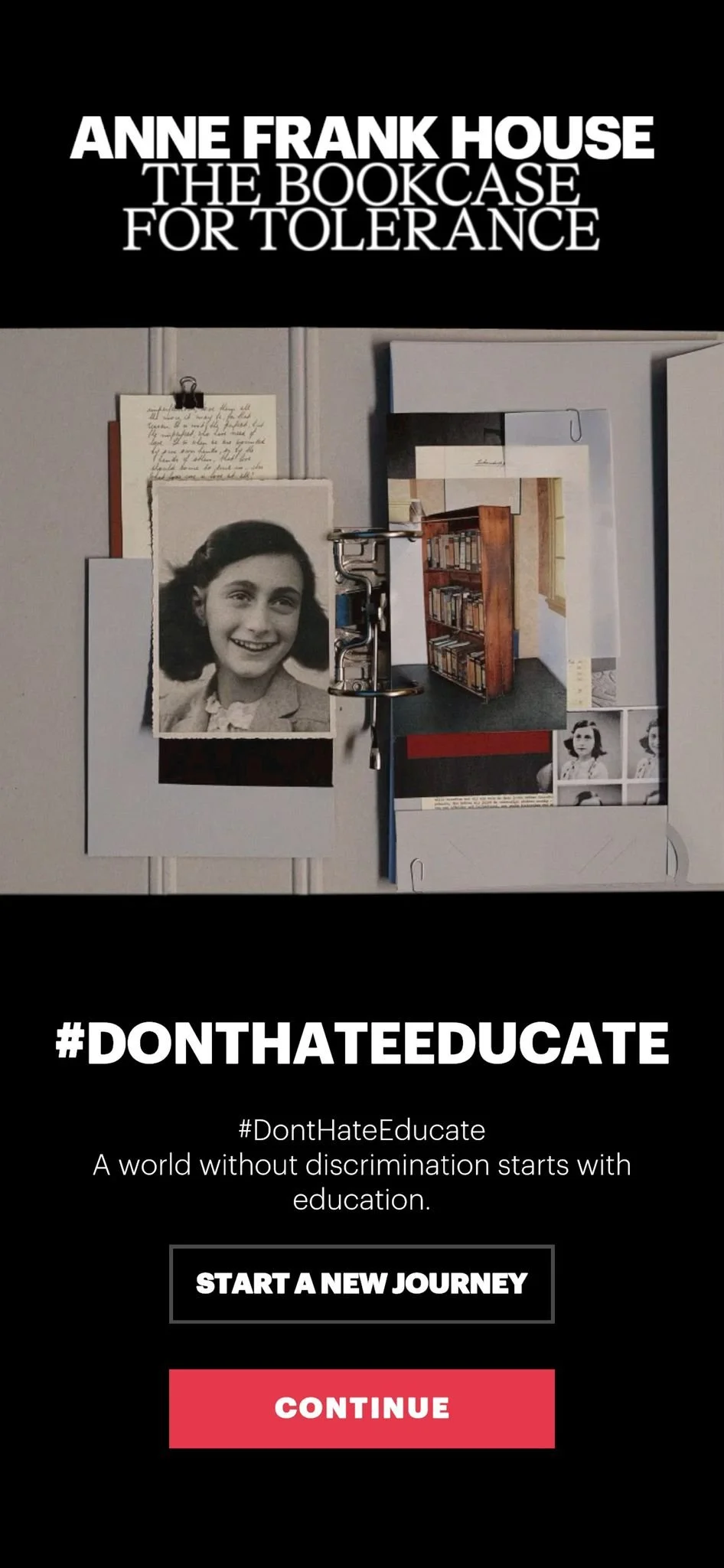
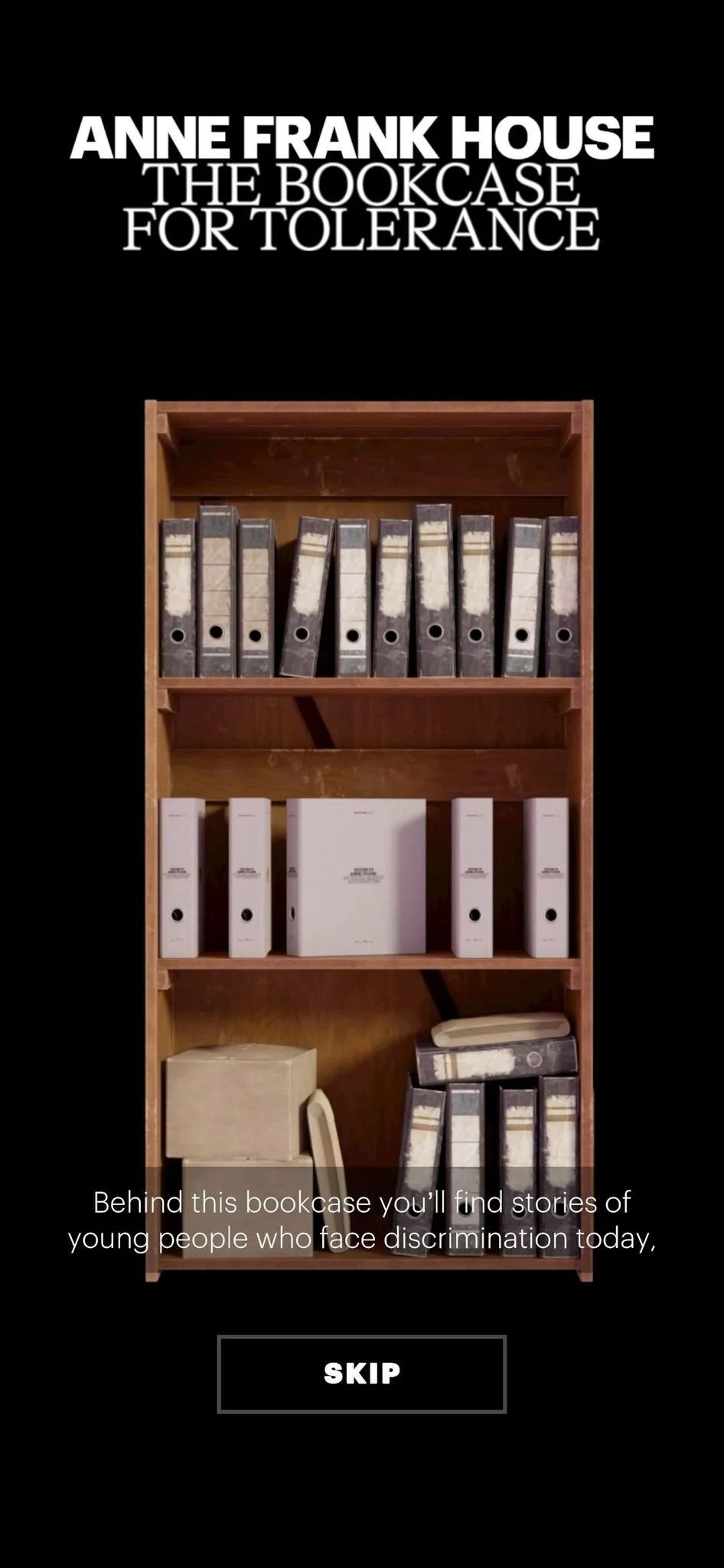
Bookcase for tolerance
The Challenge
With intolerance on the rise, the Anne Frank House needed a way to bring Anne’s story—and modern stories of discrimination—to a global, digital-first audience. The goal was to bypass the physical walls of the museum and create an immersive educational tool accessible from anywhere in the world.
The Idea
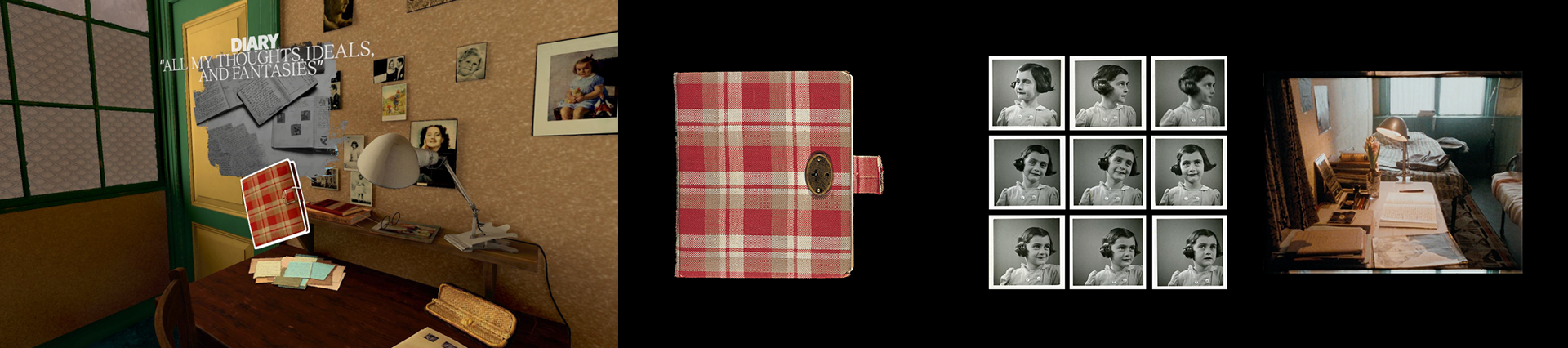
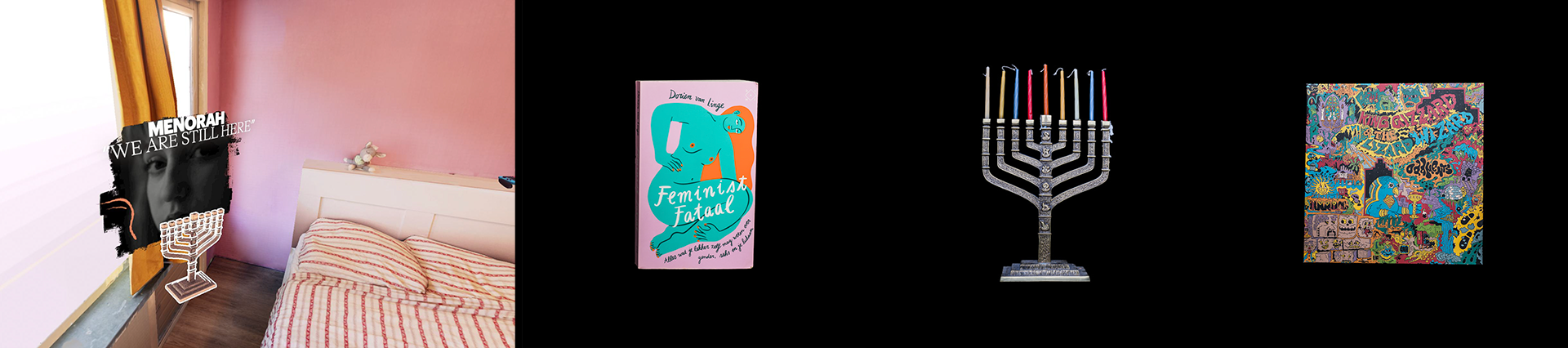
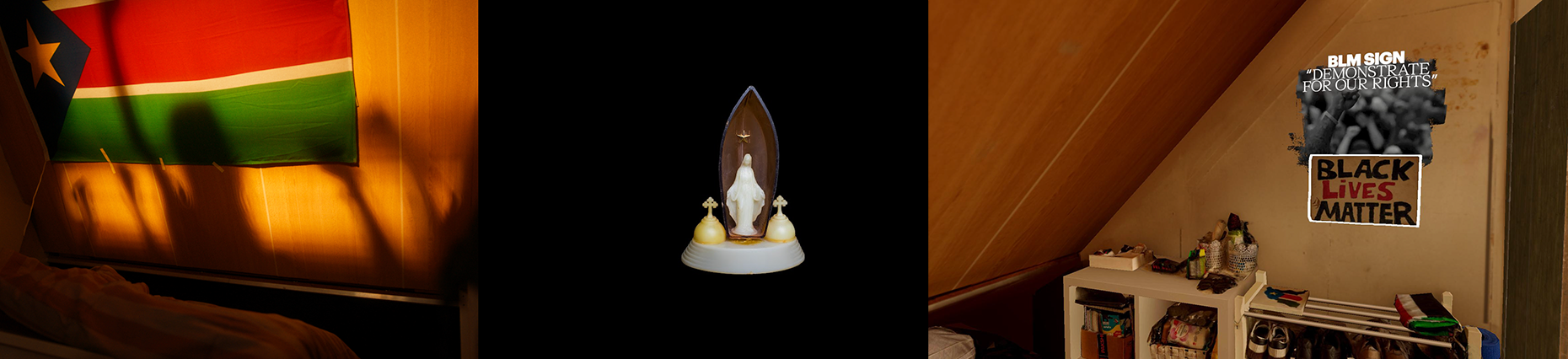
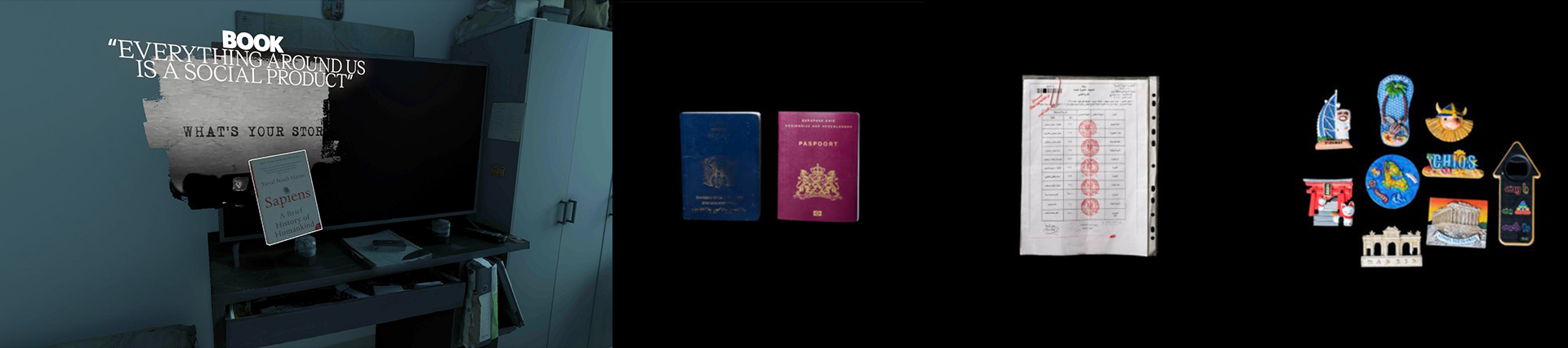
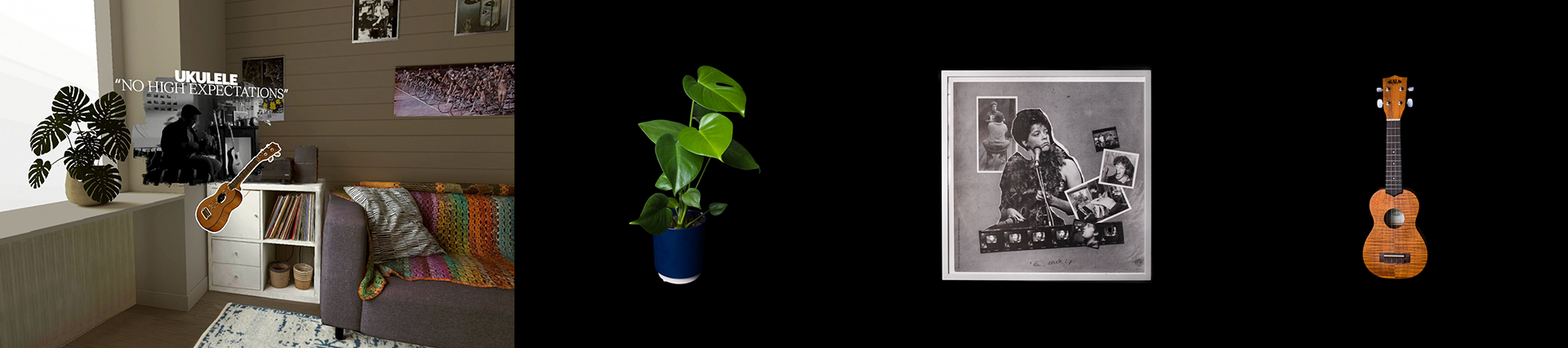
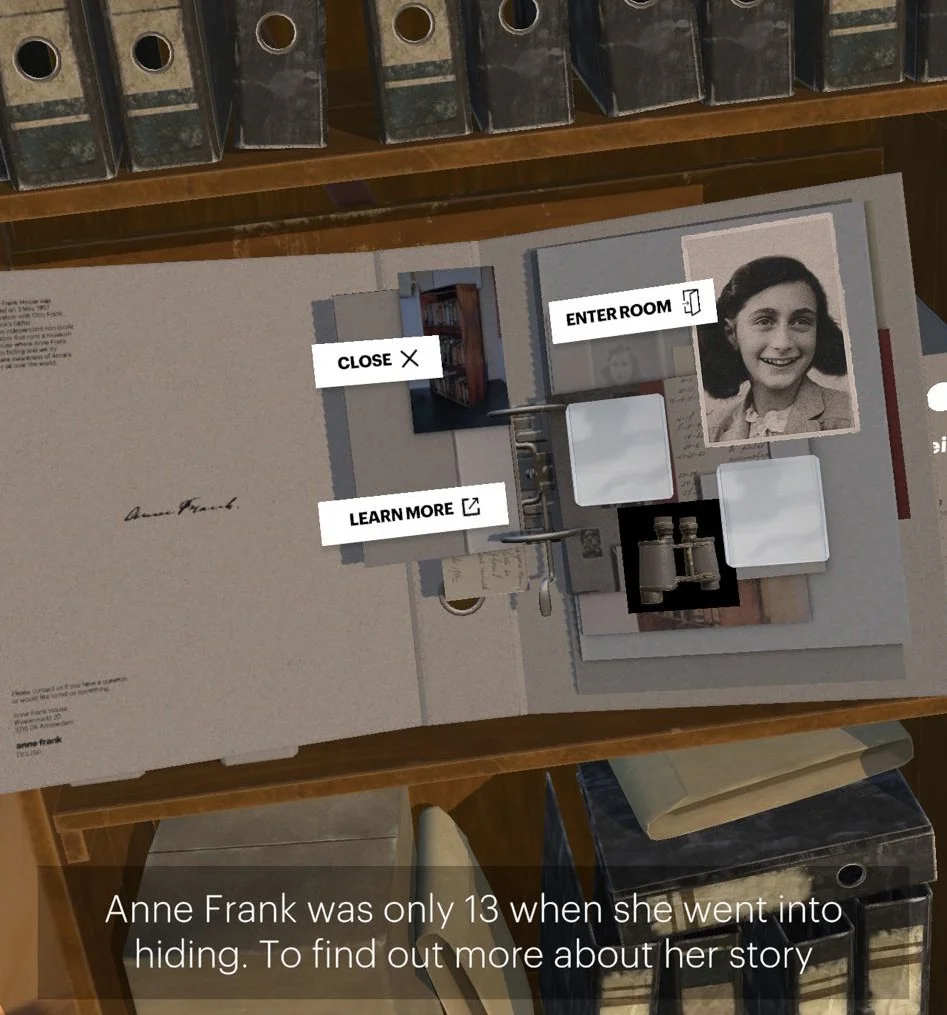
As Art Director, I helped transform the iconic bookcase into an AR portal. Using photogrammetry, we created hyper-realistic 3D scans of the Annex and the rooms of four young people currently facing antisemitism and racism. I oversaw the visual journey and spatial storytelling, ensuring every detail felt intimate and authentic, turning a historical symbol into a living conversation about tolerance.
The Result
Launched on the UNESCO Day for Tolerance, the app reached 100+ countries in 48 hours and is now a permanent fixture in European schools. The project became a benchmark for "tech for good," winning a D&AD Yellow Pencil, a Bronze Cannes Lion, and two Webby Awards.
Awards
D&AD: Yellow Pencil (Use of AR) + 1 Graphite & 3 Wood Pencils
Cannes Lions: Bronze Lion (Digital Craft) + 5 Shortlists
The Webby Awards: 2x Winner (Best Use of Augmented Reality)
The Lovie Awards: 3x Gold Winner + People’s Voice
ADCN: Gold (Members Award), Silver (Digital)
Innocean Berlin | Anne Frank House | Mediamonks
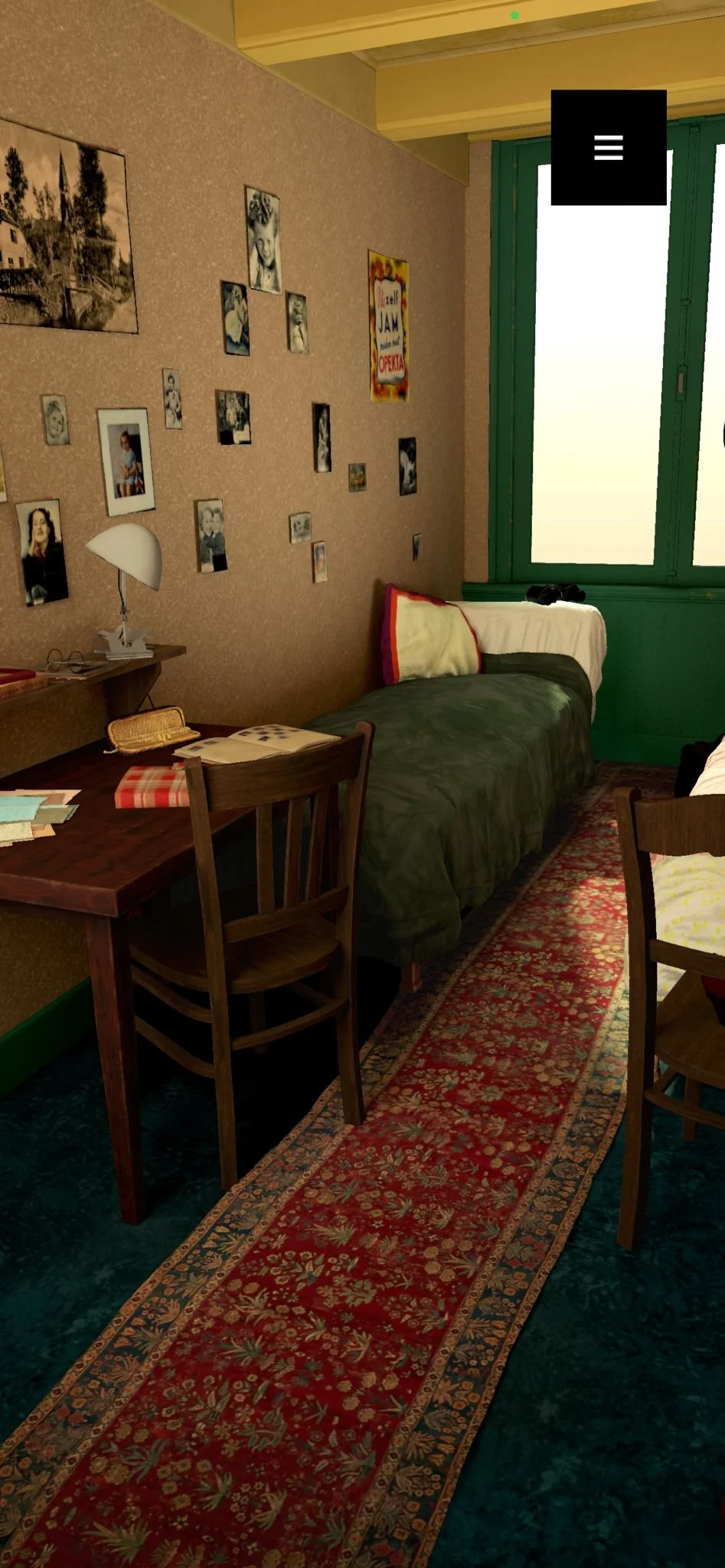
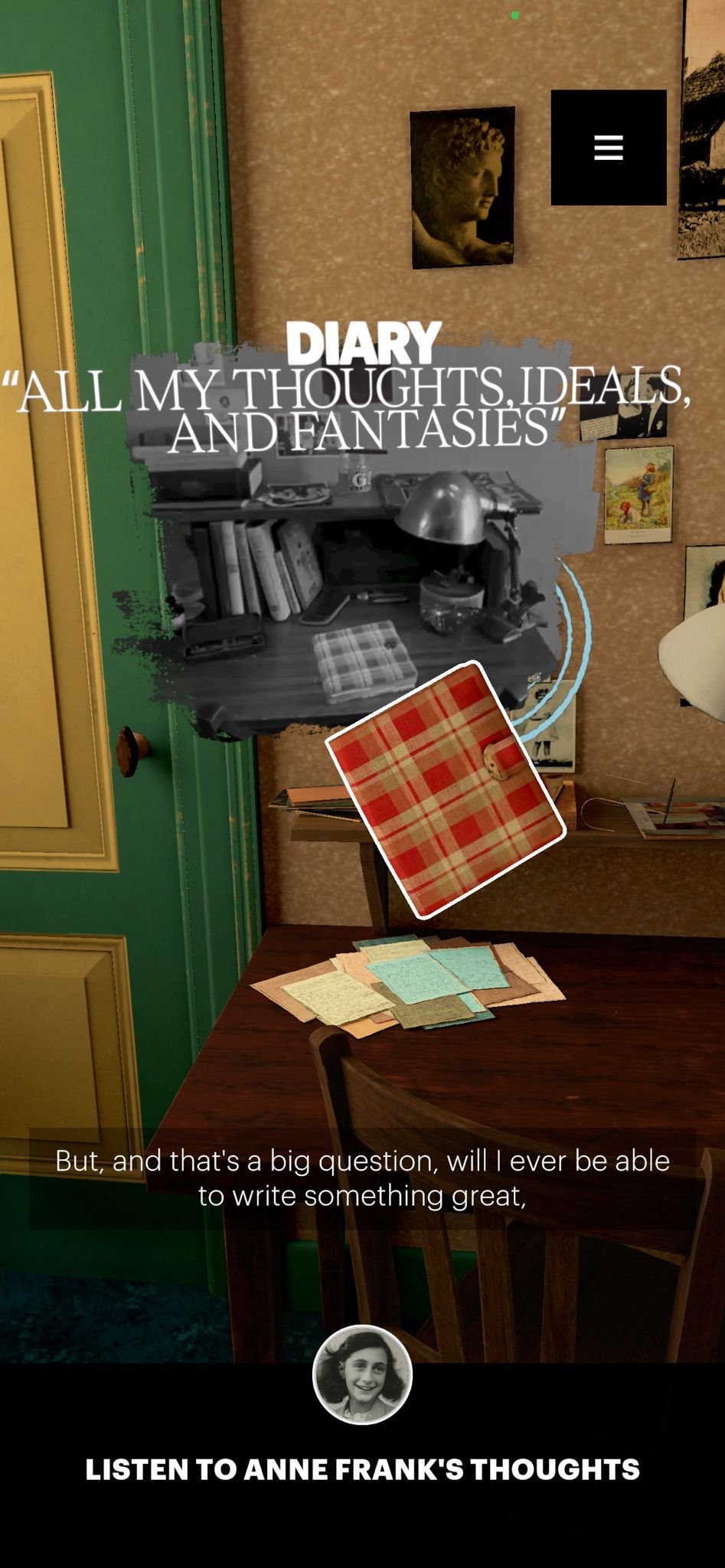
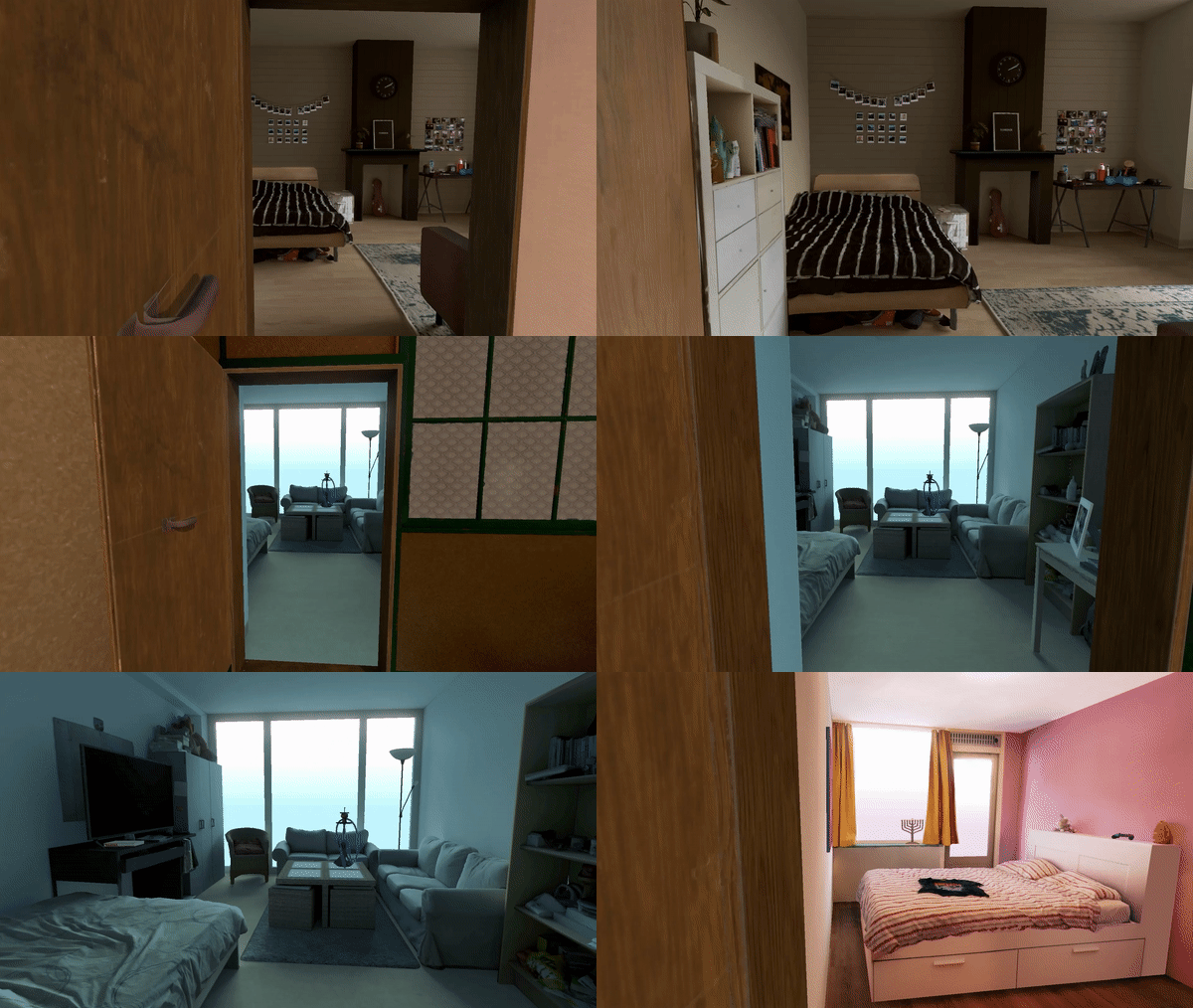
PRE-PRODUCTION * THE ART DEP. *
PRE-PRODUCTION * THE ART DEP. *
The Process
Before a single camera was triggered, I led the pre-visualization phase, sketching out the entire user journey to align our vision with the Anne Frank House and our technical partners. This foundational work was vital for defining how a user would transition from their physical reality into a digital historical space.
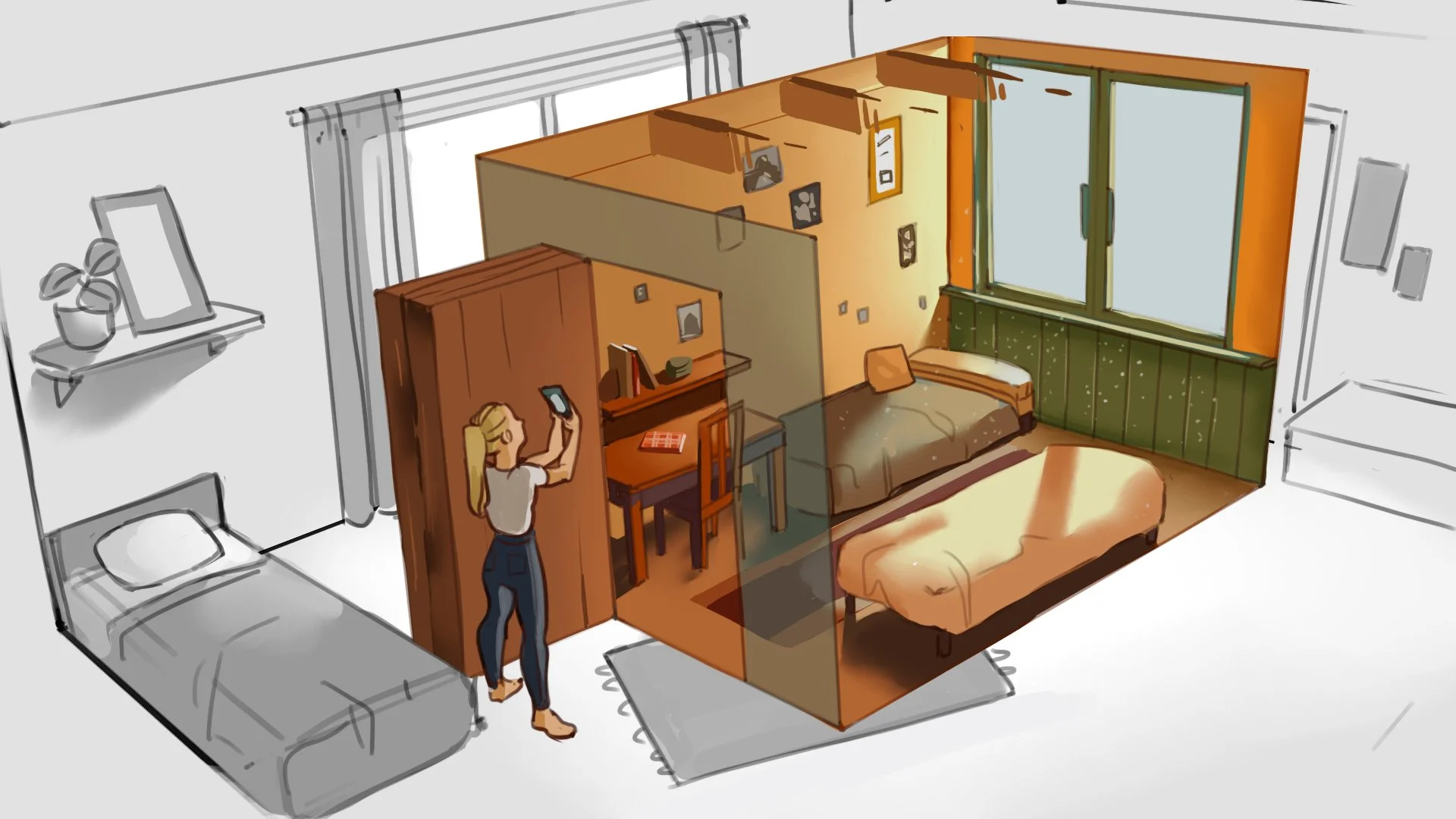
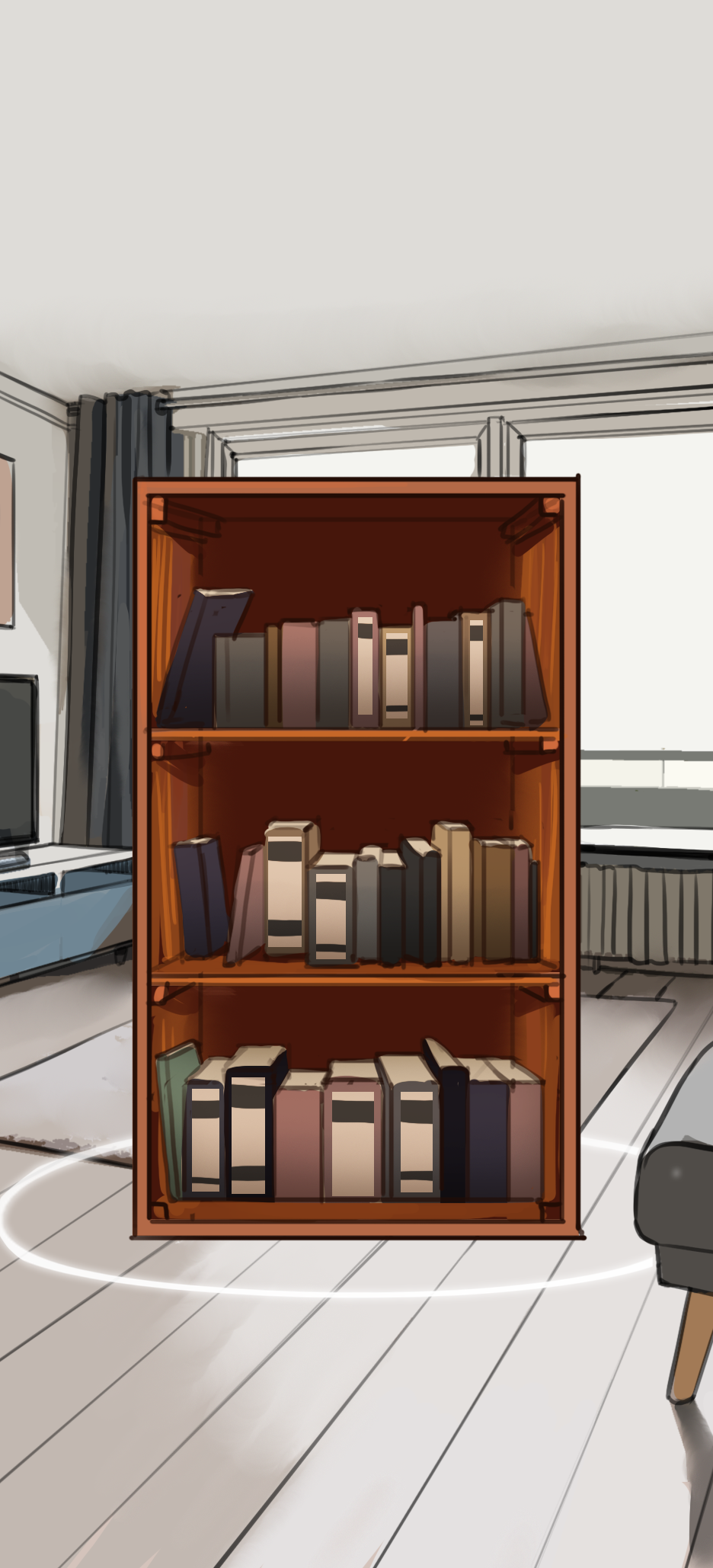
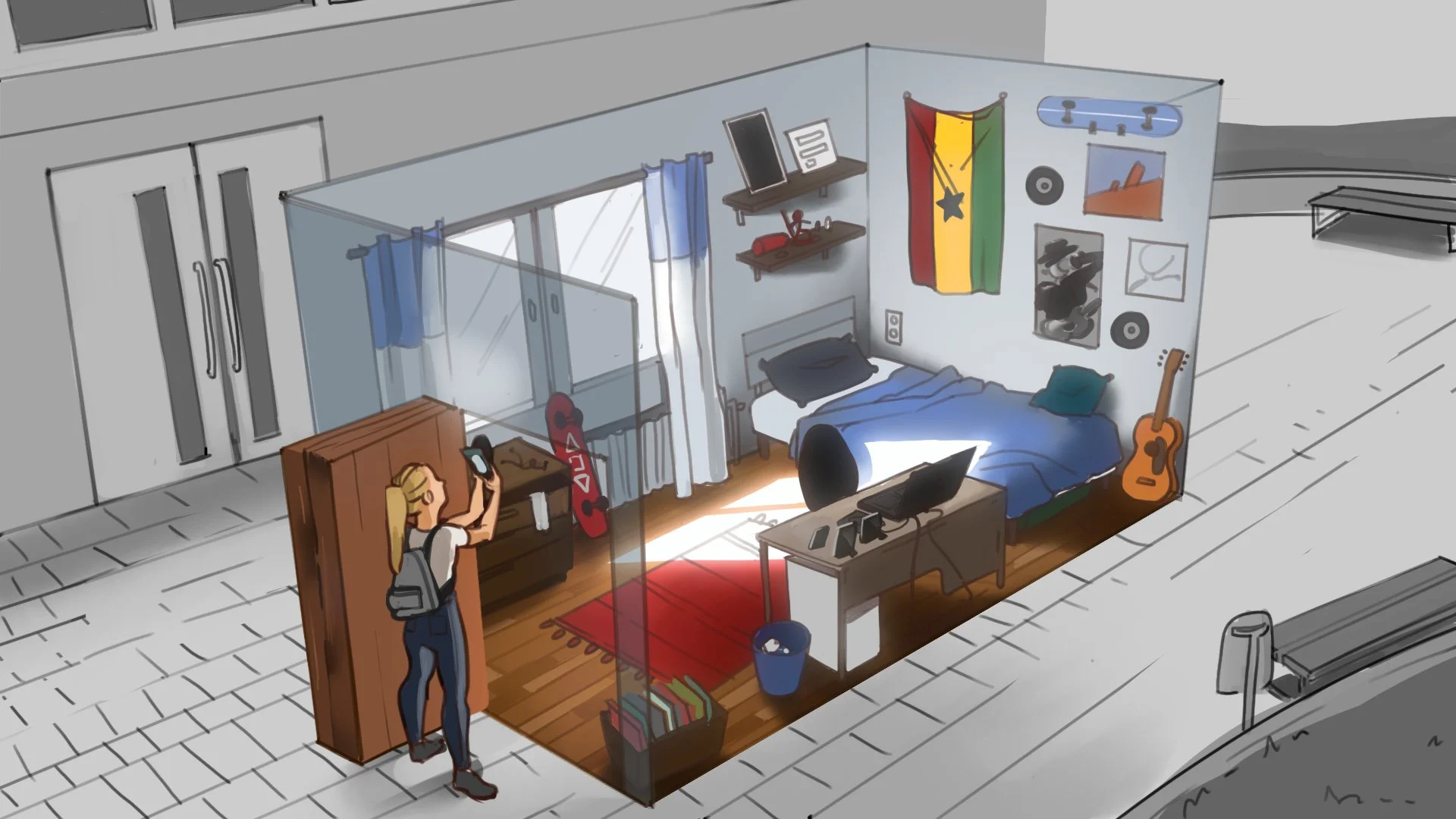
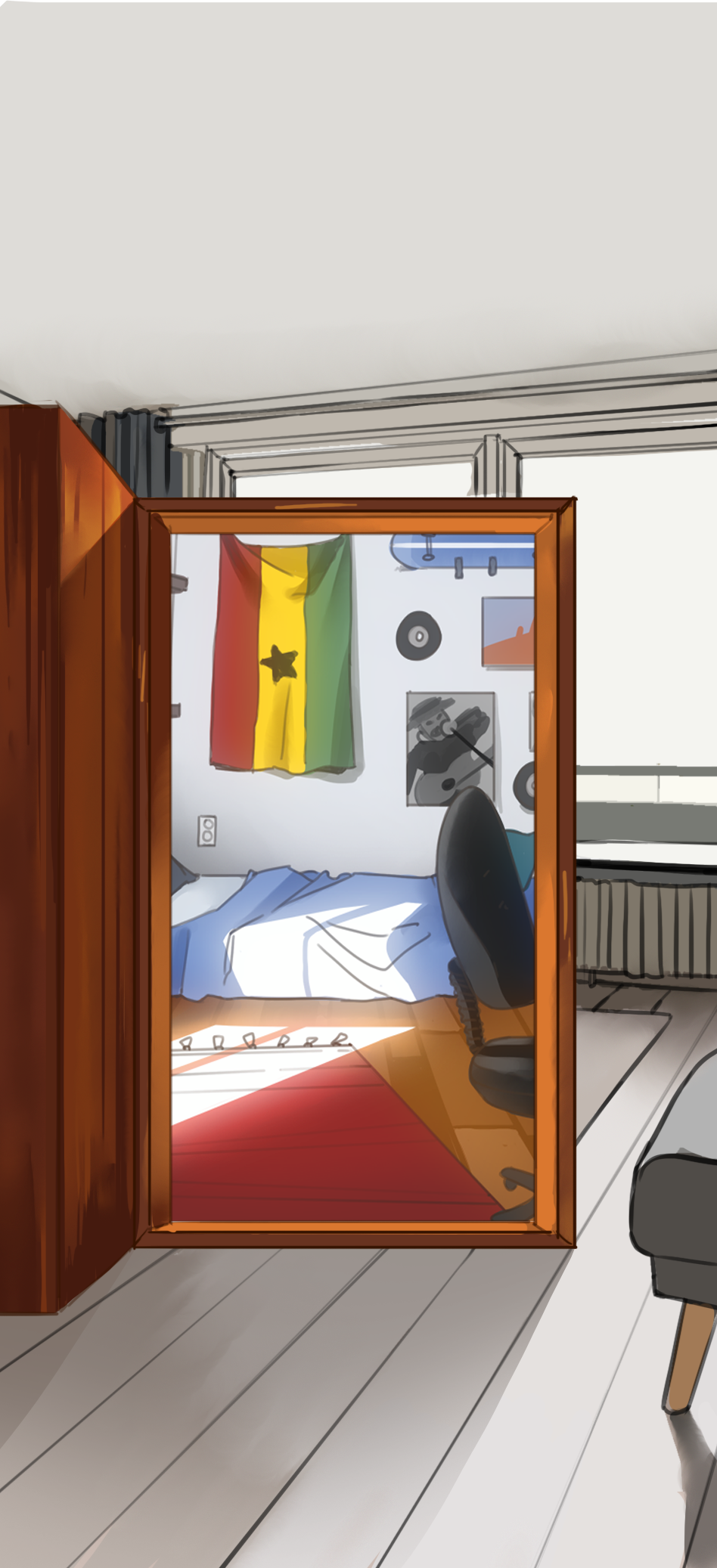
Concept Art: Veerle Zandstra
We collaborated directly with the featured talents to hand-select meaningful objects from their lives, strategically placing them within their virtual rooms to create a deeply personal narrative. Once the rooms were captured via photogrammetry, I oversaw our 3D artists as they refined and cleaned the scans, ensuring every texture and shadow felt photorealistic. To bridge the gap between storytelling and the wider campaign, we integrated documentary video content directly into the AR experience, creating a seamless, multi-sensory journey that felt cohesive and impactful.